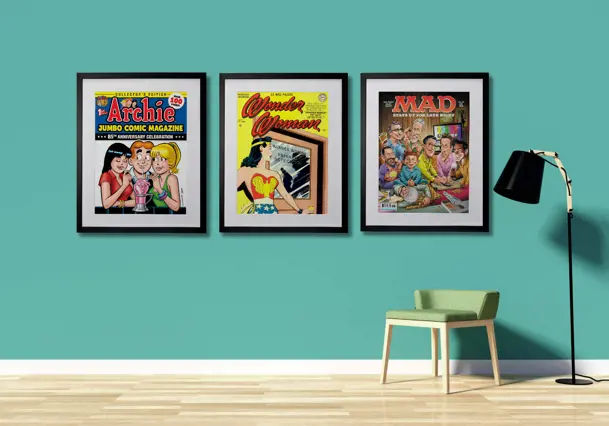
There is nothing quite like the visual impact of a large, custom framed piece of art. Whether it’s an original canvas, a family heirloom, or a custom framed mirror, oversized artwork acts as the anchor for a room’s interior design. However, once you move beyond standard posters and lightweight frames, the task of hanging artwork changes.
The anxiety of mounting a heavy, high-value piece on a residential wall is common, but it can be managed with the right approach. A great framed piece is only as secure as its installation.
This guide will take you through the technical steps to ensure your heavy or oversized frame is hung safely, securely, and level.
Assessing Wall and Weight
Before you pick up a drill, you must understand what you are working with. Not all walls are created equal, and the hardware you choose must be compatible with your specific wall material.
- Know your wall: Determine if you are working with timber-framed drywall (Gyprock), brick, or masonry. Each requires a different anchoring system.
- The weight factor: Determine if the frame requires a single point of attachment or if the load should be distributed across two points. And don’t guess the weight – hanging hardware has maximum weights they can support.
- Safety first: If the piece is heavy, handle it with two people. Inspect the hardware already attached to the frame. Are the D-rings or wire rated for the weight of the piece? If you are framing something particularly heavy, ensure you have opted for professional-grade, high-tensile hardware.
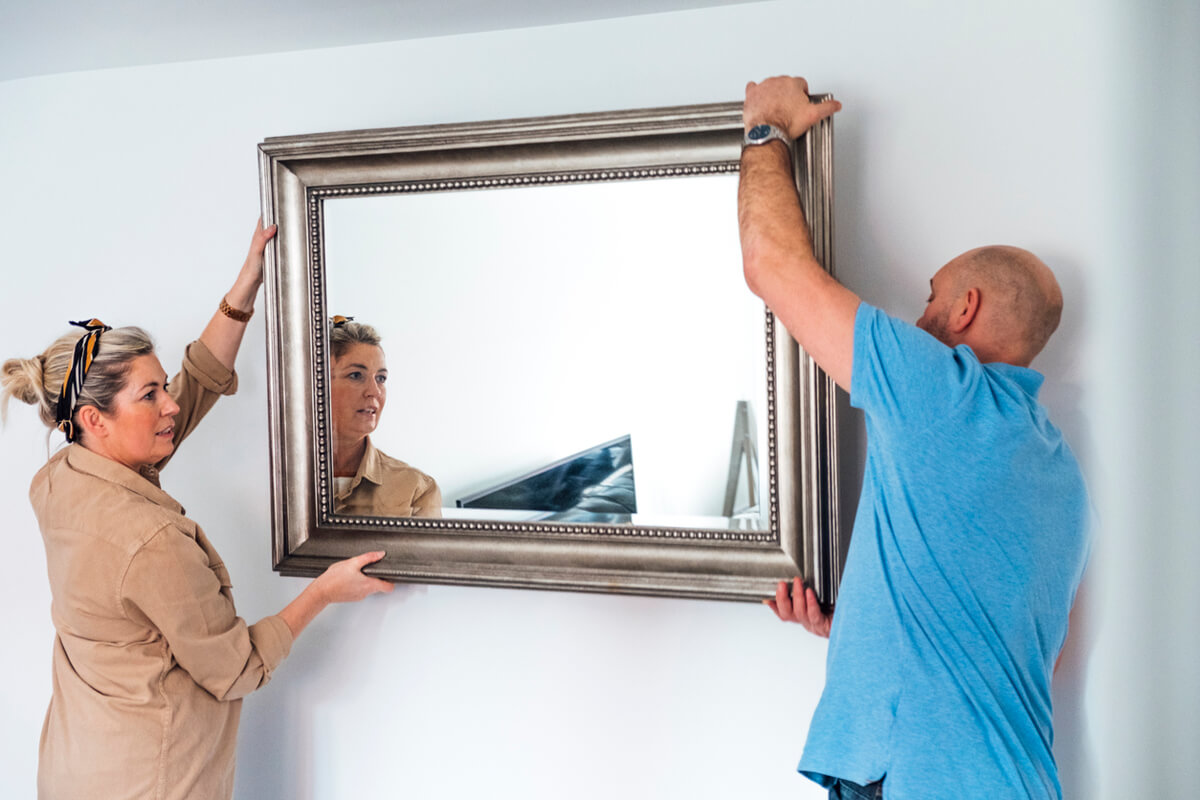
Gear Required
When dealing with heavy frames, standard nails will not suffice. You need hanging hardware that has the structural integrity required.
- Hardware: Invest in quality wall anchors. Toggle bolts or heavy-duty snap toggles are often superior for drywall, while masonry plugs are essential for brick. For secure, flush mounting, French cleats are the gold standard for large, heavy frames.
- Tools: A reliable stud finder is your best friend. You will also need a spirit level, measuring tape, pencil, and power or hammer drill.
Step-by-Step Installation Guide
For drywall (Gyprock) walls
- Check for utilities: Before drilling, always ensure you are not near electrical wiring or plumbing lines.
- Locate the studs: Use a stud finder to identify the vertical timber supports. Anchoring directly into a stud is always the safest method for heavy items.
- Mark your points: If a stud is in the perfect spot, mark your drilling location. If you are mounting between studs, you must use high-quality toggle anchors (like snap-toggles or wall hooks).
- Drill and insert: Drill a hole precisely the size required for your chosen anchor. Insert the toggle or plug.
- Secure the hardware: Screw your heavy-duty hook or French cleat bracket into the wall. Ensure it is tight and flush against the surface.
- Hang and level: Place your frame, then check it is level with your spirit level and adjust as required.
For brick or masonry walls
- Check for utilities: Before drilling into brick, ensure you are not near electrical wiring or plumbing lines.
- Mark and drill: Mark your spot. Use a masonry drill bit (this is crucial - standard wood/metal bits will not penetrate brick) and a hammer drill to bore a hole to the required depth.
- Insert masonry plugs: Tap a high-quality masonry wall plug into the hole until it is flush with the wall.
- Secure the hardware: Drive a screw through your mounting bracket or hook into the masonry plug. The expansion of the plug inside the brick creates a very strong, permanent hold.
- Hang and level: Because masonry walls can be uneven, verify that the frame sits flat against the wall and use bumpers to adjust if necessary. Check the frame is level with your spirit level and adjust as required.
Pro Tips for Longevity
- Stability: Avoid using a single central wire for very wide or heavy pieces. This often causes the frame to tilt forward and makes it prone to shifting. Two points of contact (such as D-rings), provide much better lateral stability.
- Surface protection: Apply felt or silicone bumpers to the bottom two corners of the frame. This protects your wall from scuffs and helps keep the frame sitting level against the wall.
- Environmental protection: Placement is key. Avoid hanging heavy artwork on walls that suffer from moisture (such as those backing a bathroom) or extreme temperature fluctuations. Furthermore, ensure the framed artwork is not in direct sunlight, which can lead to accelerated fading of your artwork.
Professional Assistance
While DIY hanging is feasible for many, some pieces require a more delicate or structural touch. If you are uncertain about the structural integrity of your wall, the total weight of your piece, or the specific hardware required, we recommend consulting a local professional picture hanging service. A professional installer can provide the peace of mind that comes with knowing your artwork is perfectly secured to your wall.
For more tips on the care and display of your custom frames, explore our other articles such as: