A great photograph already carries a story - your child’s first day at school, a sun-soaked family holiday, a candid laugh you never want to forget. The right frame doesn’t just “finish” the photo; it protects it, draws your eye to what matters most, and helps it sit beautifully in your home.
Whether you’re framing a professional family portrait, a favourite travel print, or a phone photo you love, this guide will walk you through the key decisions - style, colour, matboard, size, and glass - so your photograph looks intentional, polished, and timeless.
Why the Right Frame Makes All the Difference
A frame does three important jobs:
- Enhances the image: It creates a visual boundary that helps your eyes focus on the subject (faces, landscapes, details).
- Protects your photo: The right materials and glazing reduce fading, dust, and damage over time.
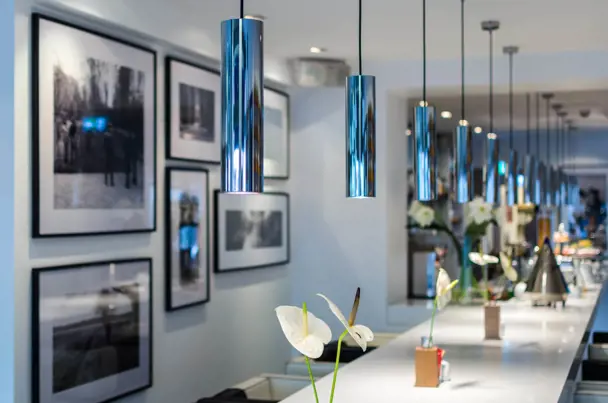
- Completes your styling: A framed photo can become a design feature, especially when you’re building a gallery wall or styling shelves.
If you’ve ever seen a beautiful photo look “flat” on the wall, chances are it needed either a better frame, a matboard, or a different scale for the space.
Start With the Photograph Itself
Before you fall in love with a frame moulding, take a moment to look at the photograph and ask: What’s the story here? Your framing choices should support that story.
Consider the Mood and Story of the Photo
Different photos naturally suit different framing styles:
- Professional family portraits often look best with clean, classic framing that won’t date quickly.
- Candid everyday moments can suit more casual, modern profiles.
- Travel photos and prints can handle bolder choices, especially if the image itself is graphic or colourful.
- Black & white photography usually pairs beautifully with simple black, white, or natural timber frames, because the contrast is already doing the work.
A good rule: the more emotional the photo (family, milestones), the more timeless the framing should be - so you’ll love it for years.
Think About the Photo’s Colour Palette
Look for the “dominant” and “accent” colours in the photograph:
- If the photo is warm (sunset tones, timber interiors, beach scenes), natural oak, walnut, or warm neutrals often complement it.
- If the photo is cool (blue skies, winter scenes), white, black, charcoal, or cooler timbers can feel balanced.
- If the photo is busy or colourful, consider a simple frame + neutral matboard so the image stays the hero.
When in doubt, choose a frame that supports the photo rather than competing with it.
Choose a Frame Style That Suits Your Home
Your frame should connect the photo to the room it’s living in. This is where many people get stuck - especially if you love inspiration online (hello Instagram & Pinterest) but your home has its own unique mix of textures and colours.
Modern, Classic or Natural?
Here’s a quick cheat sheet:
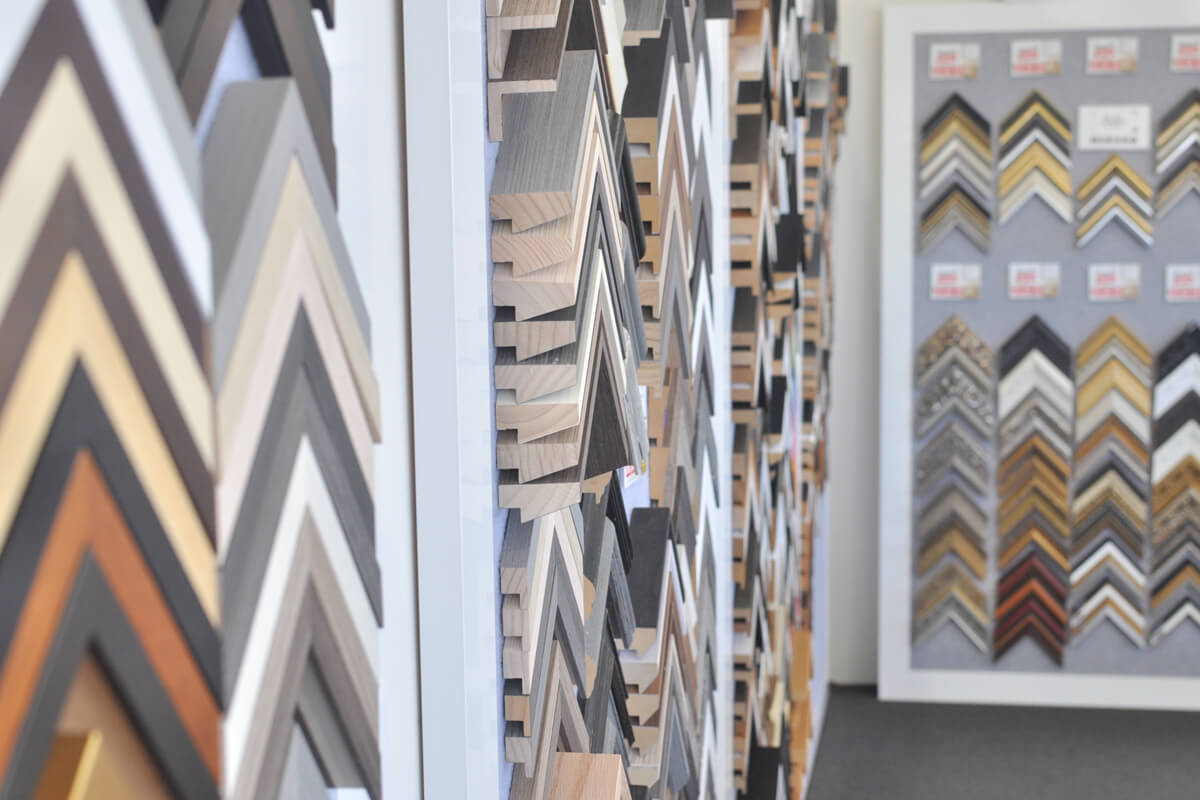
- Modern / Minimal: slim black, slim white, or slim timber profiles. Great for crisp interiors and gallery walls.
- Classic / Timeless: slightly wider profiles, soft whites, elegant blacks, or traditional timbers. Perfect for family portraits and formal photography.
- Natural / Warm: oak, ash, and natural timbers add texture and warmth - ideal for relaxed, coastal or Scandinavian-inspired homes.
Coordinating With Your Interior Style
If you’re trying to create a cohesive look across a hallway or living room, consider these approaches:
- “Uniform gallery” look: same frame colour and style across multiple photos (very clean and calm).
- “Curated mix” look: mix 2-3 frame finishes only (e.g. oak + white + black) so it looks intentional rather than random.
- “Feature hero” look: one statement frame for the most special photo, and simpler frames around it.
Styling tip: Repeating a frame finish in other elements (timber furniture, black tapware, white walls) helps the frames look like they belong.
Selecting the Right Frame Colour
Frame colour can either blend in or act like a visual anchor. Here are some popular frame colour choices (and when they work best):
- White frames: light, fresh, and great for bright spaces. Especially good for newborn and family photos.
- Black frames: sharp, modern, and excellent for black-and-white photography or strong contrast images.
- Natural timber frames: warm, relaxed, and perfect for travel photos and family-friendly living spaces.
- Charcoal / dark grey: softer than black, still modern, and complements most colour palettes.
- Gold / metallic accents: best used sparingly for a more classic or elevated look.
Quick decision tip: If the photograph is the emotional centrepiece (family, milestone), choose a neutral, timeless frame that won’t feel trendy in two years.
Matboards (Mounts): The Secret to a Polished Finish
If you’ve ever wondered why professionally framed photos look “more expensive,” the answer is often the matboard.
What Is a Matboard and Why Use One?
A matboard (also called a mount) is the border between your photo and the frame. It:
- Creates visual breathing space
- Gives a professional gallery look
- Protects your photo.
That last point matters - especially for treasured family photos. A matboard helps prevent the photograph from pressing directly against the glass, which reduces the risk of sticking, condensation marks, and long-term damage.
Choosing the Right Matboard Colour
For photographs, the safest (and most timeless) choices are:
- Bright white for crisp modern styling
- Soft white / off-white for warmth and a more classic look
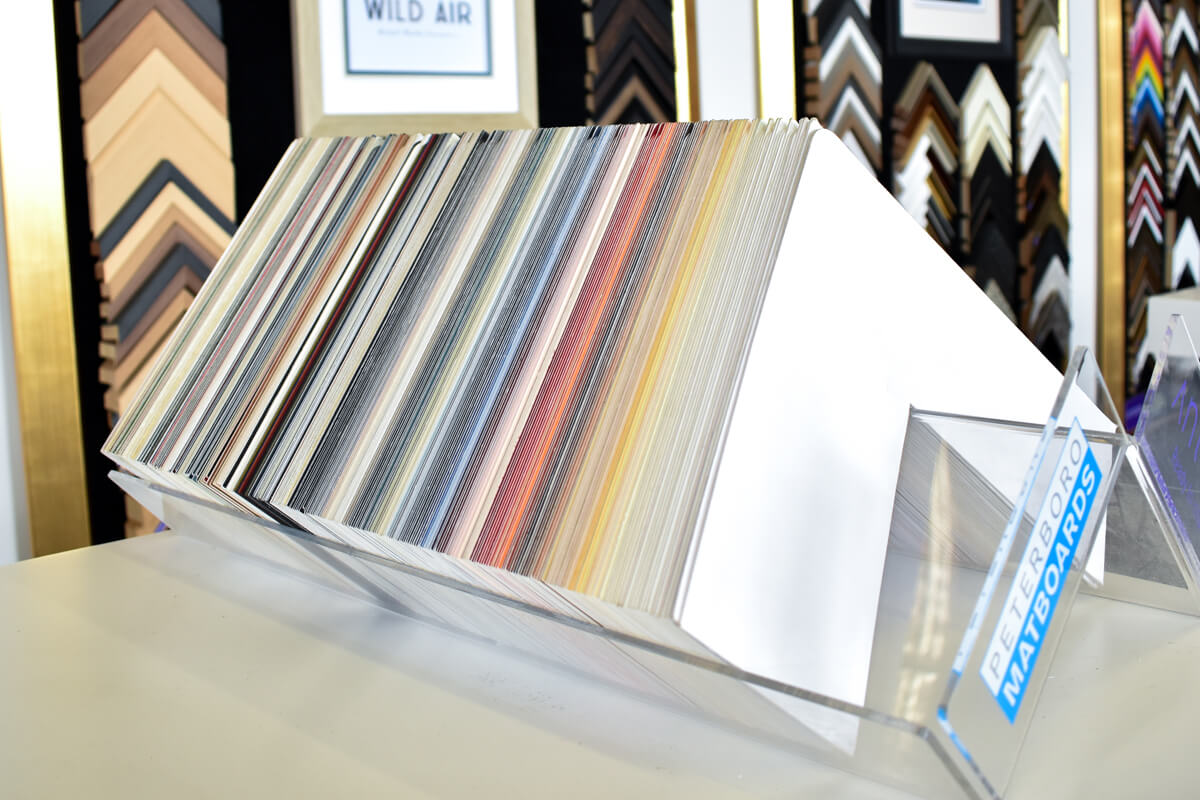
Coloured matboards can be beautiful, but they’re easiest to use when you intentionally want a design feature (for example, picking up a subtle colour from a travel photo). If you’re not sure, neutral wins every time.
Choosing the Right Size and Proportions
This is where framing goes from “nice” to “wow.” A small photo in a small frame can feel lost on a wall. A modest image can look incredibly elevated when it’s given space to breathe - either through a matboard, a larger frame, or both.
Easy guidelines for sizing
- For feature walls (living rooms, hallways): bigger frames usually look more intentional.
- For shelves and consoles: medium sizes work well, especially when layered with other decor.
- For gallery walls: a mix of sizes adds interest, but keep the frame finishes consistent.
Pro tip: If your photo is small but meaningful (like a candid family moment), consider a larger matboard and frame - it turns the photo into a statement without needing a bigger image file and print.
Glass Matters: Protecting Your Photograph
The glazing (the “glass” over your photo) is more than just a clear cover. It affects:
- how your photo looks in different lighting
- how well it’s protected from fading
- how long it stays in great condition
Standard vs UV-Protective Glass
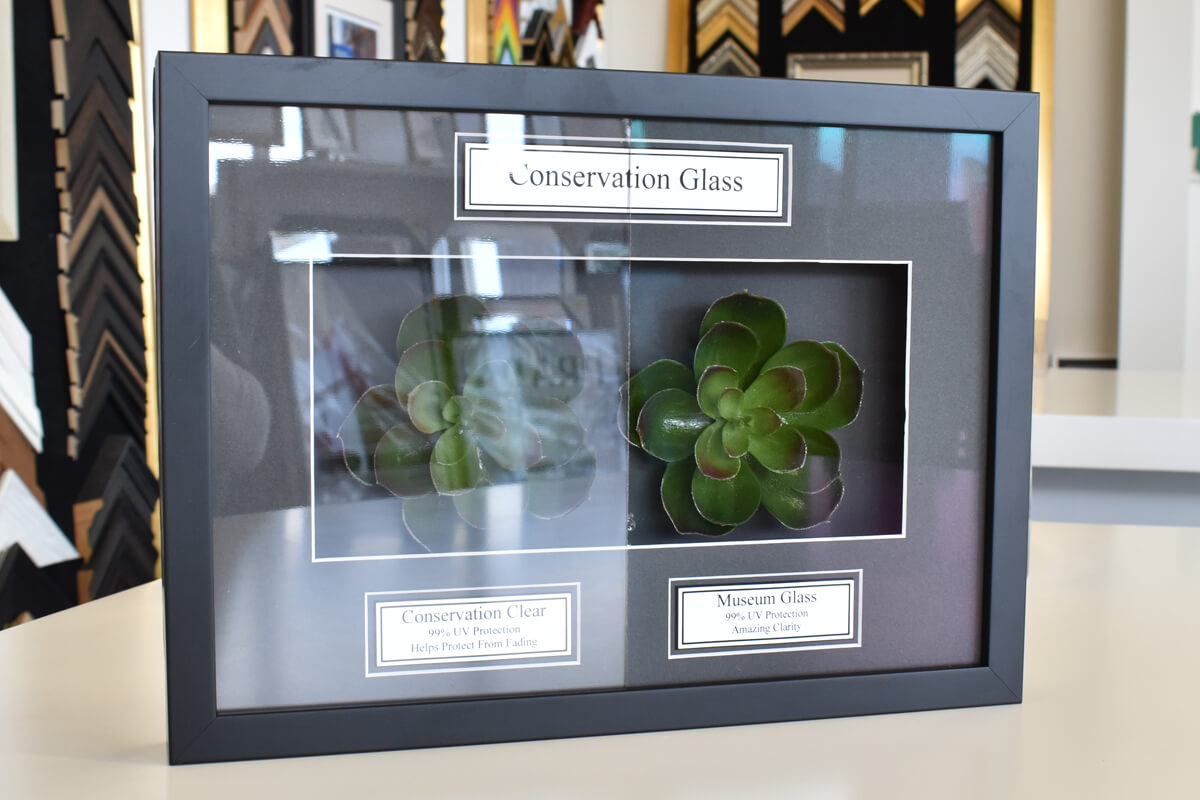
If your photo is special - and especially if it’s a professional print - UV-protective glazing is worth considering. It helps reduce fading caused by light exposure over time.
Where Your Photo Will Hang
Ask yourself:
- Will it be in a bright room with lots of natural light?
- Will it be near a window, skylight, or sunlit hallway?
- Is it going in a high-traffic family space?
The more light exposure, the more important it is to choose protective glazing with UV protective qualities.
Framing Family Photos: Practical Tips for Real Homes
When you have kids, your home works hard. Your framing should too. Here are practical choices that still look beautiful:
- Choose durable frames that can handle busy spaces.
- Think about placement (e.g. above a buffet, in a hallway, or up higher in play areas).
- Create an “evolving wall” where you can swap photos as the kids grow, without changing the whole look.
A popular approach is to pick one consistent frame style for family photos (say, white or natural timber) and then simply update the photos inside as your family story evolves.
Travel Photos and Prints: Turning Memories Into Art
Travel photos are often the ones that sit in your phone for years because choosing “the right way” to display them feels like a big decision.
Here are three easy ways to make travel photos feel like art:
- Go bigger than you think: A single large travel photo can look like a gallery piece.
- Use a matboard for a gallery finish: Even casual holiday photos are enhanced with the right mount.
- Build a story wall**:** Mix a travel print, a photo, and a small memento (like a postcard or map excerpt) in a cohesive set of frames.
If you collect prints and souvenirs, framing is one of the best ways to make them part of your everyday life instead of living in a drawer.
When to Get Professional Framing Advice
You absolutely can choose a great frame on your own, but professional custom framing advice can save time (and prevent expensive mistakes) when:
- the photo is a non-standard size
- you’re creating a gallery wall and want it to feel cohesive
- you want the best long-term protection
- you’re framing something irreplaceable (family portraits, one-off prints, travel mementos).
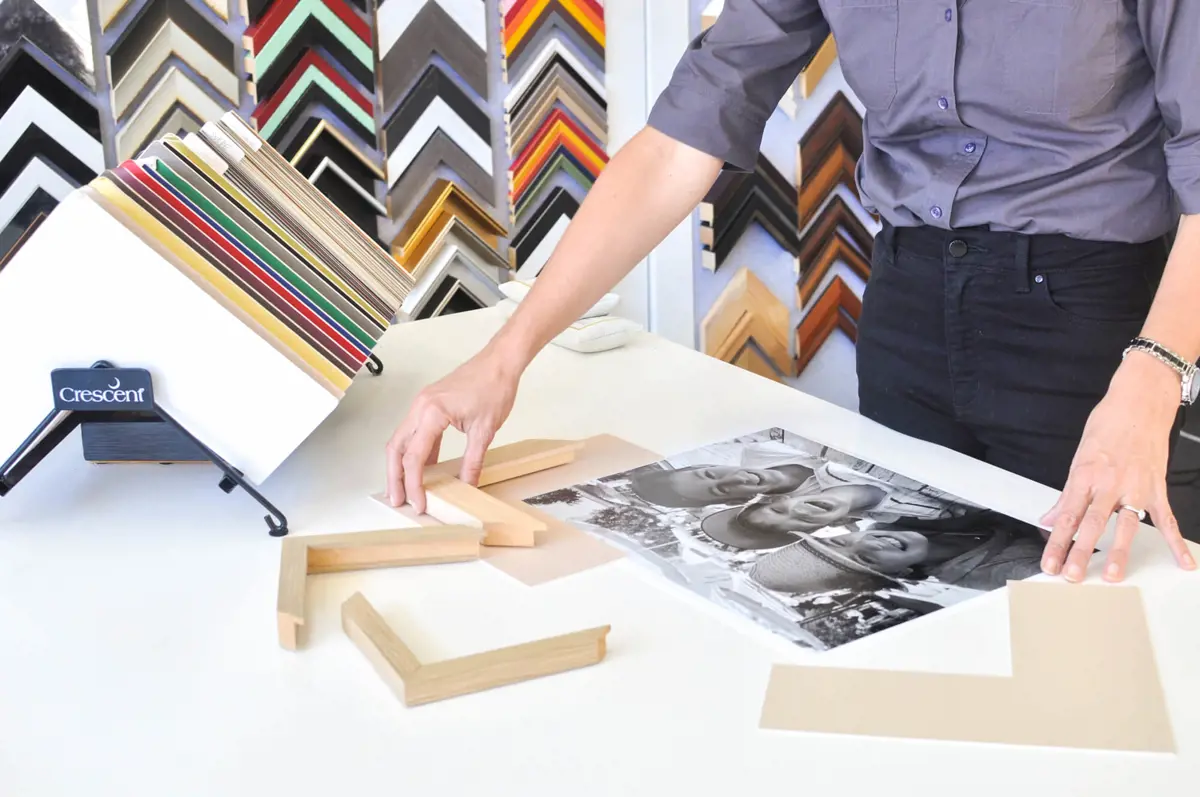
A framer can help you match colours, recommend matboard widths, choose the right glazing, and make sure everything suits both the photo and your room.
Ready to frame your photos? Visit your local Frame Today store for professional advice,
Final Thoughts: Trust Your Eye (and Enjoy the Process)
Choosing the right frame for a photograph is part practical decision, part personal style. The best frames are the ones that:
- make you smile every time you walk past
- suit your home
- protect your memories properly.
If you’re feeling stuck, start simple; a timeless frame, a neutral matboard, and quality glazing. That combination works beautifully for family photos, travel memories, and most prints… and it will still feel right years from now.
Quick Checklist: Choosing the Right Frame for a Photograph
✅ What’s the mood of the photo (classic, candid, artistic)?
✅ Does the frame colour and style suit the room?
✅ Would a matboard help the photo breathe and feel more polished?
✅ Is the frame size right for the wall/shelf space?
✅ Will it be exposed to sunlight (consider UV protection)?
✅ Is this photo irreplaceable (use archival materials)?