Updated 30 June 2026
There is nothing quite like the thrill of exploring a bustling street market in Bali, wandering through a hidden gallery in Paris, or discovering local artisans in the heart of Kyoto. We often return home from these holidays with suitcases packed full of incredible, deeply personal treasures - vibrant local street art, delicate silk batiks, hand-woven textiles, or a collection of transit tickets.
Unfortunately, once the tan lines fade and the bags are unpacked, many of these beautiful items suffer a common fate. Because they don't fit into standard, mass-produced frames from the local department store, they get rolled back up, placed into cardboard storage tubes, and tucked away in dark cupboards, completely forgotten.
It’s time to shift your mindset away from viewing these items as mere holiday clutter or basic "organisation" projects.
With the right custom framing design, your travel souvenirs can be transformed into stunning, museum-grade visual features that elevate your home decor while protecting your memories for a lifetime.
Understanding the Hidden Structural Risks of Unstable International Travel Media
When you buy a premium art print locally, it is typically printed on stabilised, acid-free paper engineered for longevity. International travel souvenirs, however, are a completely different story. They are highly volatile, structurally delicate, and often crafted from raw, organic mediums.
The Threat to Unprotected Artefacts
Whether it is Egyptian papyrus, Indonesian bark cloth, or a thin piece of handmade paper from an open-air market, these materials are incredibly sensitive to their environment. When subjected to Australia’s harsh daylight, coastal humidity, and seasonal temperature swings, unprotected fibres react aggressively to:
- Atmospheric moisture: Raw textiles and unprimed papers absorb humidity, causing them to expand, slacken, and ripple behind picture frame glass, which frequently leads to destructive mould growth.
- UV degradation: Standard retail glass provides virtually zero barrier against ultraviolet radiation. Left raw or improperly glazed, delicate vegetable dyes, local inks, and watercolours will bleach out and fade completely within just a few years of Australian UV exposure.
- Environmental dust: Airborne particles settle permanently into the open grain of textured textiles and unsealed papers, causing irreversible discolouration that cannot be safely cleaned or vacuumed out later.
Professional Framing Techniques for Rolled Canvas Street Art and Overseas Paintings
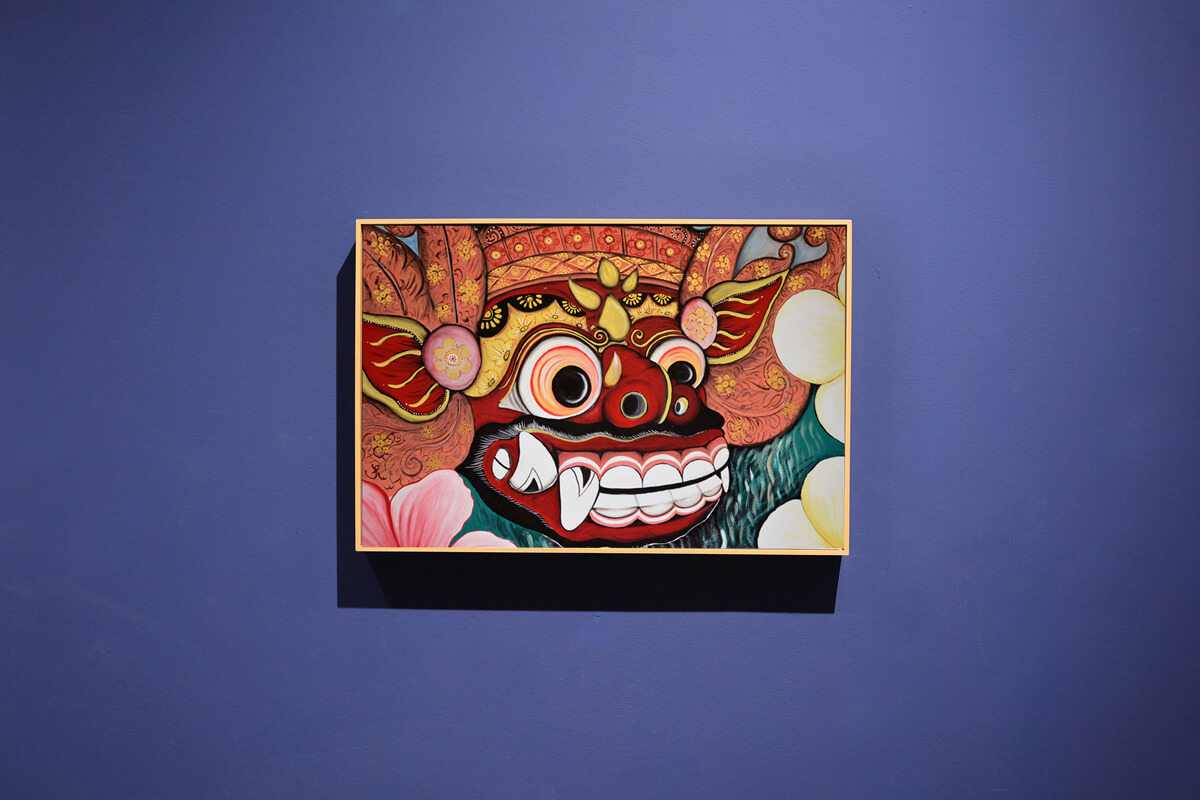
A brilliant piece of acrylic or oil street art or Frame-display-travel-souvenirs.webp painted on loose, unstretched canvas is one of the most popular items brought home by Australian travellers. Packing them is easy - they roll tightly into a mailing tube - but displaying them requires specialised technical knowledge.
The 72-Hour Climate Acclimation Protocol
The biggest mistake you can make with a rolled canvas painting is taking it straight out of a shipping tube and immediately forcing it flat or stretching it mechanically. Canvas fabric and cured paint layers possess a "shape memory." Forcing them flat instantly when they are dry can cause brittle paint structures to snap and flake off the surface.
Tip: When you arrive home, unroll your canvas gently in a room with a stable temperature, place a few clean, light weights on the corners, and allow the media to relax and adjust to your local home humidity for at least 72 hours before taking it to be stretched.
Stretcher Bars vs. Contemporary Floating Frames
Once your canvas has acclimated, you have two primary professional presentation options:
- The classic stretcher bar wrap: The canvas is precision-wrapped around a kiln-dried wooden stretcher frame. If the artist painted all the way to the edge, a "gallery wrap" can be achieved, allowing the artwork to hang cleanly on your wall without an outer frame profile. To understand why purpose-built framing bars are critical to preventing your artwork from warping over time, read our comparative guide on professional stretcher bars versus hardware store timber.
- The contemporary canvas float frame: For premium, gallery-style impact, the stretched canvas is fitted into an L-shaped timber profile frame. This leaves an intentional 5mm to 10mm "shadow gap" between the edge of the canvas and the frame profile. This layout makes the canvas appear to hang suspended in mid-air, beautifully highlighting the raw, textured brushstrokes around the perimeter without hiding a single millimetre of the canvas face under wood.
Museum Grade Preservation Methods for Exotic Holiday Textiles and Silks
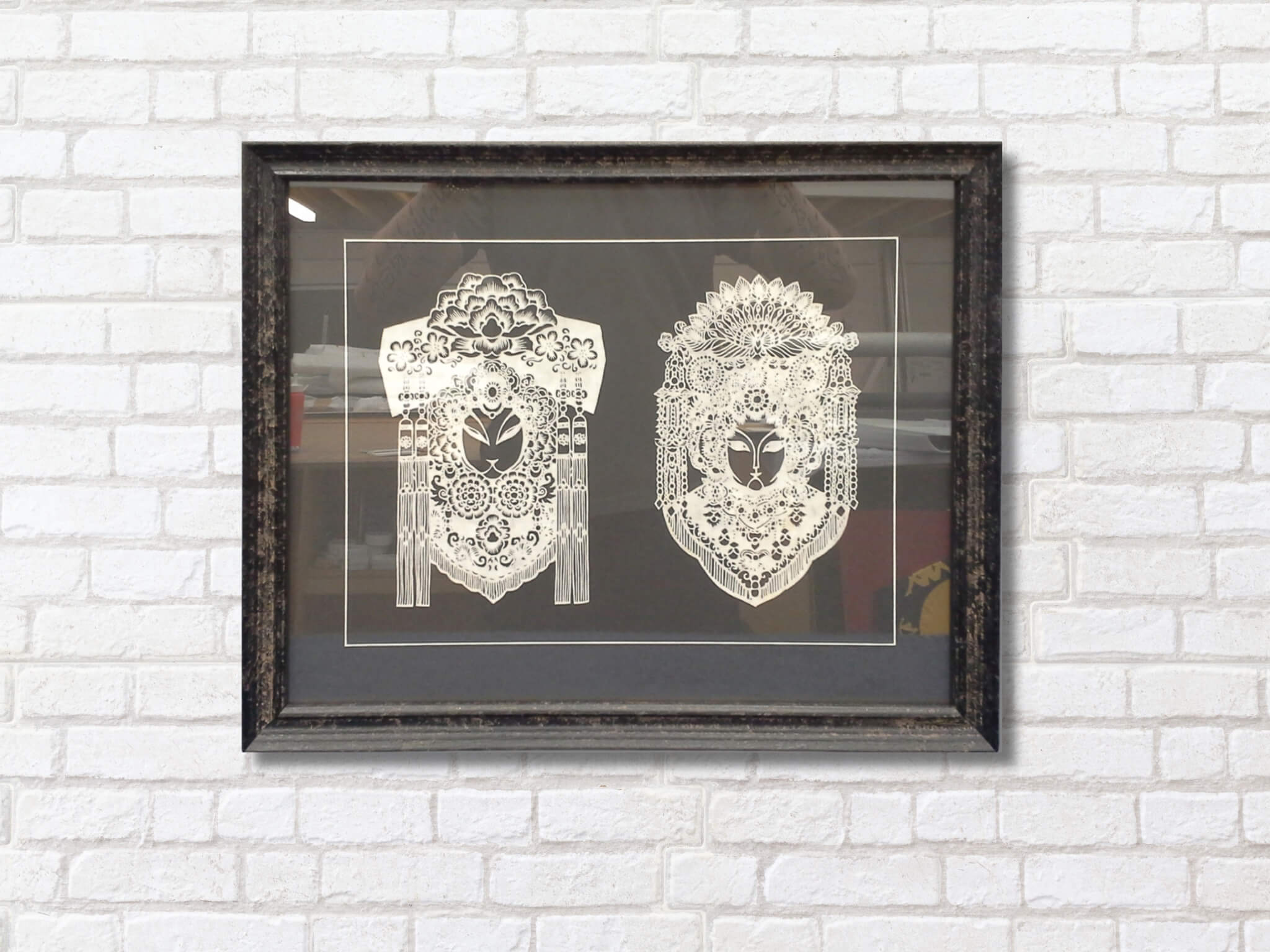
From embroidered linens and intricate tribal weaves to vibrant silk scarves, fabrics purchased overseas make breathtaking wall displays. However, textiles present a unique challenge; they have no inherent rigid structure and require delicate, non-destructive tension to hold their shape on a wall.
The Peril of Cheap Glues and Double-Sided Tapes
Under no circumstances should a fabric souvenir ever be mounted using standard household double-sided tape, spray adhesives, or hot glue guns. These consumer products are highly acidic and chemically unstable. Within months, the adhesive will bleed directly through the fabric fibres, causing permanent yellow staining and chemically rotting the natural silk or cotton threads until they disintegrate.
Reversible Stitch-Mounting and Shadow Boxes
The professional approach to framing an exotic textile relies entirely on preservation-grade reversible framing conservation methods. Instead of using chemical adhesives, custom framers use fine, completely reversible hand-stitching with specialised silk threads.
The textile is gently tensioned and sewn onto a conservation-grade, acid-free matboard. This backing is then housed within a deep shadow-box frame profile. Internal spacer walls are built into the frame to lift the glass away from the fabric surface. This architectural barrier ensures the glass never physically presses against the delicate weave, allowing air to circulate naturally while protecting the textile from compression damage or moisture traps.
Transforming Three-Dimensional Artefacts and Paper Ephemera into Visual Stories
True travel memories aren't always captured in large, formal paintings. Often, the most meaningful stories live within small collections of loose paper fragments and three-dimensional items accumulated along the way.
The Multi-Aperture Holiday Collage (Tickets, Currencies, and Postcards)
If you have a collection of train tickets, local currencies, museum passes, and polaroids from a European backpacking trip, don't throw them in a scrapbooking box where they will never be seen. Instead, they can be designed into a multi-aperture collage feature.
By utilising a custom-cut matboard with multiple dedicated windows, these small paper fragments are organised into a high-end graphic layout. To prevent the layout from looking cluttered or cramped, we apply our signature design rule: a 50mm matboard minimum border inside the picture frame. This provides crisp, negative space that frames each individual memento as a distinct, historic piece of your journey. For a deeper look into how we use the golden ratio and optical weighting to anchor your displays, explore our ultimate guide to choosing the perfect frame profile and matboard dimensions.
Custom Shadow Box Frames for Heavy or Fragile Objects (Keys, Coins, Masks)
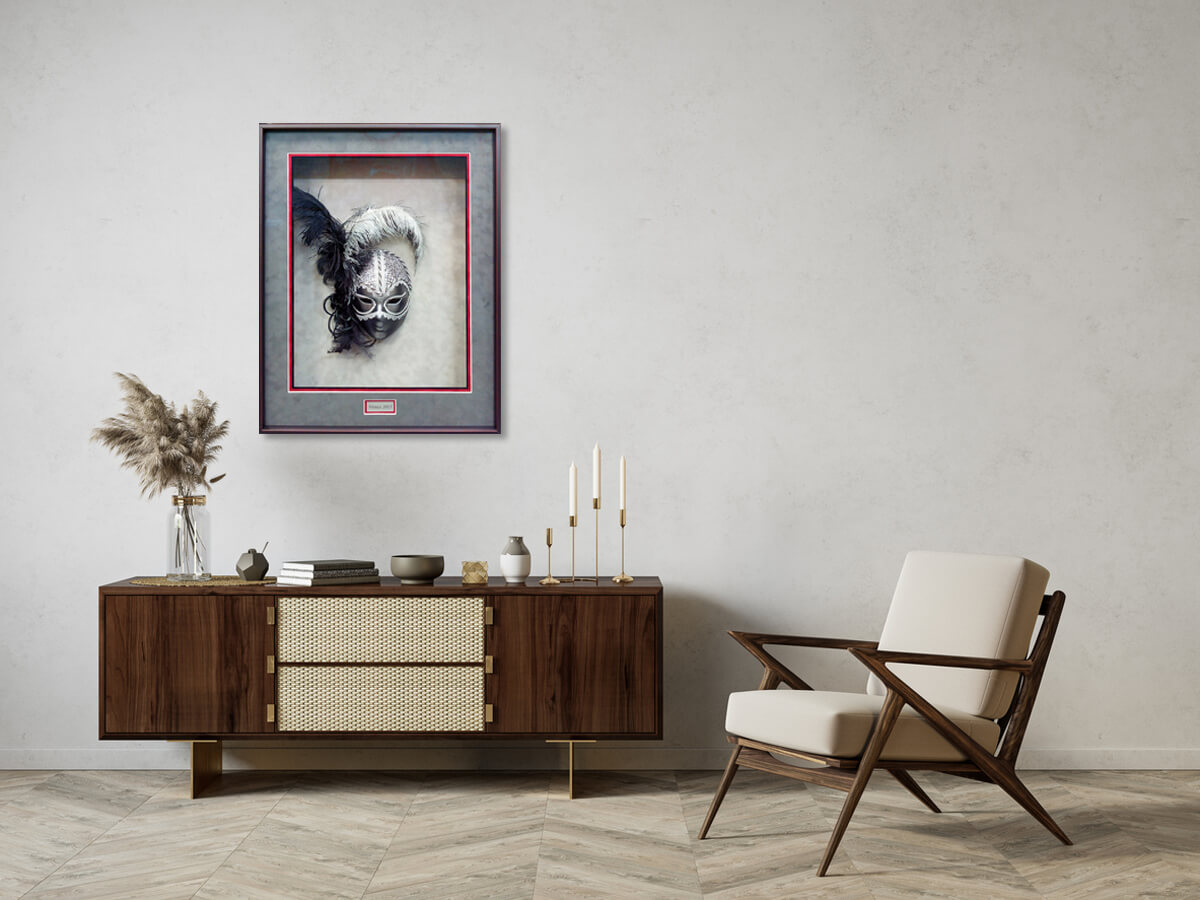
For physical, three-dimensional objects like traditional wood-carved masks, vintage iron keys from a Tuscan villa, or a collection of local market coins, a standard flat frame is impossible. These objects demand a deep custom shadow box frame.
Inside a shadow box, deep structural internal walls support the weight of the objects, which are safely secured using invisible mounts or conservation wire. The entire collection is suspended in a secure, dust-free environment, transforming scattered trinkets into an authentic, multi-dimensional gallery installation.
Turn Your Holiday Memories into Permanent Masterpieces
The ultimate travel souvenir isn't something destined to sit hidden away in a dark drawer, a dusty cupboard, or an unrolled cardboard tube. Your holiday mementos represent personal milestones, cultural discoveries, and irreplaceable moments of inspiration. By bypassing generic, mass-produced store frames and investing in custom preservation, you transform these raw materials into striking, professional design features tailored specifically to your home.
Bringing these complex items to life safely requires hands-on care. Rather than risking an invaluable canvas or delicate silk to internet guesswork, the best path forward is to collaborate directly with a qualified framing consultant who can assess the textile weave, check paint stability, and design a balanced layout right in front of you. Head over to our locator page to find your nearest store and bring your holiday collection in for a professional, obligation-free design consultation today.