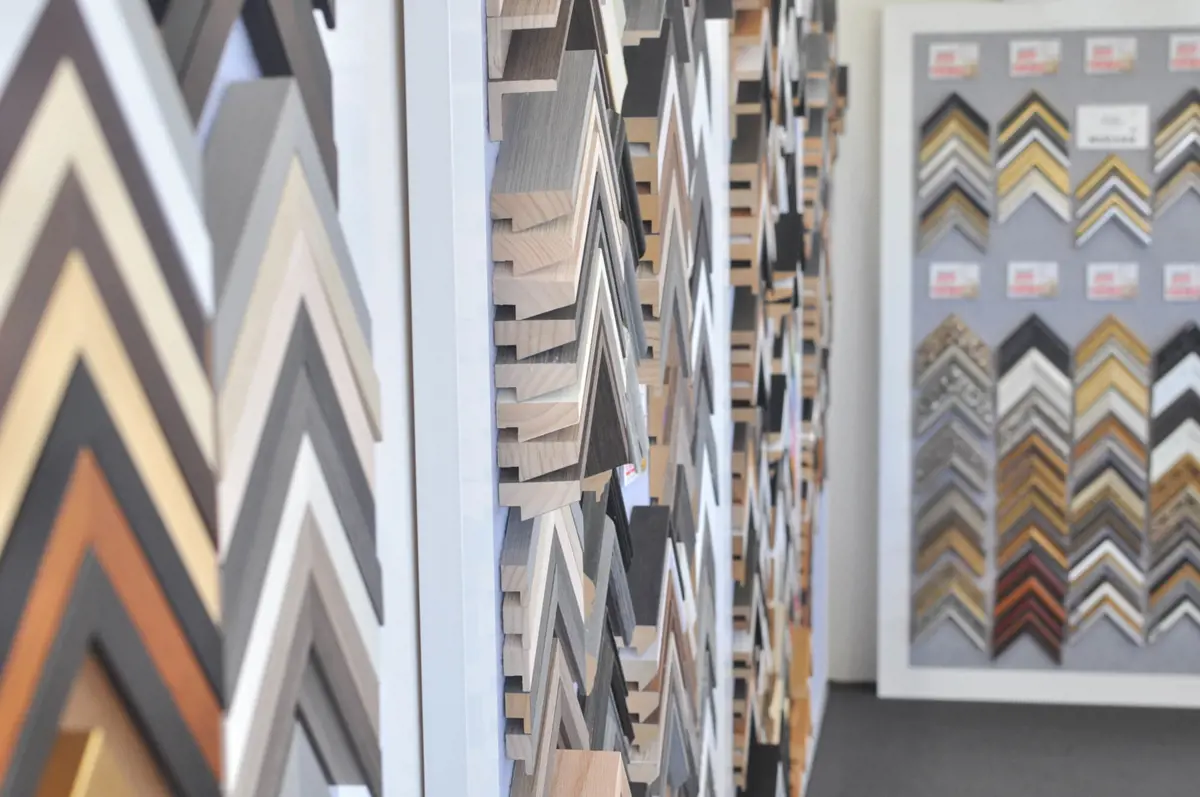
When it comes to displaying artwork, photographs, or treasured memorabilia, many people treat framing as an afterthought - a simple matter of picking a colour that matches the sofa or finding a cheap, pre-made option off the shelf.
However, professional framing is a precise blend of visual science, structural engineering, and preservation. A well-chosen frame doesn't just display a piece of art; it protects it from environmental decay and transforms how the human brain perceives the image.
“The core philosophy of custom framing is simple: the frame is the stage, and the artwork is the performer.”
The frame's primary job is to focus the viewer's eye inward, providing breathing room and structural support without ever competing with the art itself.
The Core Philosophy of Framing
Before choosing timber profiles or selecting matboard textures, it is essential to understand the fundamental rules of visual balance.
3-Second Framing Rule
When you walk into a room and stand in front of a framed piece of art, your eyes perform a rapid visual hierarchy check. If your brain registers the outer timber profile or the brightness of the matboard before it registers the artwork in the centre, the framing has failed. This is the 3-second framing rule. The frame should act as a subtle boundary that concentrates the light and composition inward. If the frame is too heavy, too bright, or too dominant, it visually chokes the performer.
Golden Ratio in Frame Selection
The human eye naturally seeks out specific geometric proportions. For centuries, artists and architects have used the Golden Ratio (mathematically expressed as 1:1.618) to create flawless visual harmony.
In custom design, this ratio helps govern the relationship between the size of the artwork, the width of the matboard, and the scale of the outer frame profile. When these elements reflect a balanced geometric progression rather than arbitrary guesswork, the final piece feels instantly "right" to the viewer, creating a sense of calm and structural permanence.
Mastering the Matboard with Scale and Proportion
The matboard serves two critical purposes. Physically, it creates a vital air gap that prevents the glass from touching the artwork, which can trap moisture and ruin the media. Visually, it provides essential negative space, allowing the eye to rest before entering the world of the painting, photograph or memento.

The 1.6x Matboard Formula
Amateurs often choose thin, narrow matboards in an attempt to save space. This creates a "constricted" look. As a professional rule of thumb, the visual width of your matboard should be at least 1.6 times (remember the Golden Ratio) wider than the width of the wooden frame profile itself. For example, if you select a sleek 20mm timber frame, your matboard border should be a minimum of 30mm wide to maintain geometric balance.
However, to ensure every piece of art gets the breathing room it deserves, we always recommend a 50mm border minimum. This means even small prints, vintage postcards, and family photos usually have at least a 50mm border. Giving smaller pieces a slightly wider matboard enhances the artwork, transforming a simple photograph into a museum-quality gallery feature.
Weighted Matboards
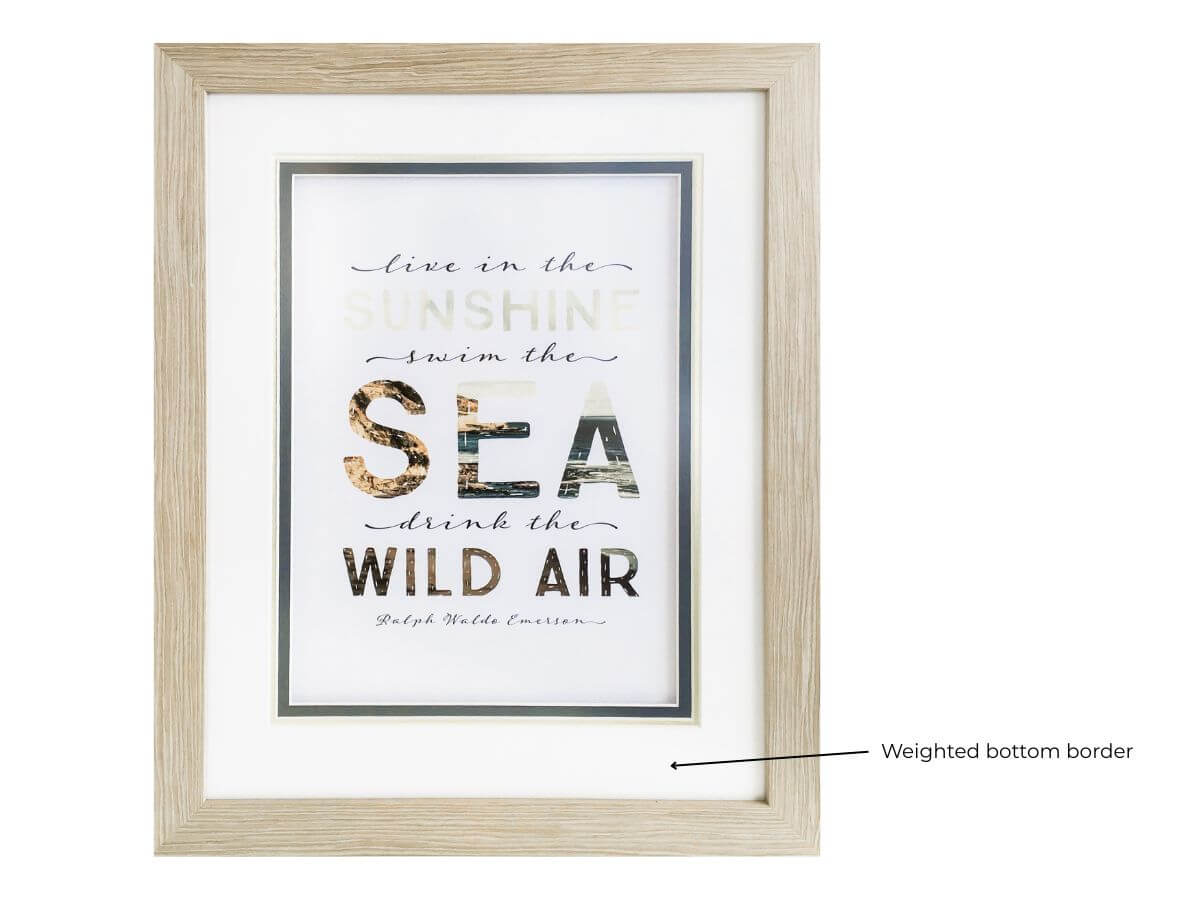
Human optics are inherently imperfect. When we look at a framed piece of art where the top, side, and bottom matboard borders are exactly identical in width, our brains play a trick on us; the artwork appears to be vertically off centre (ie. sitting lower in the frame).
To correct this optical illusion, professional framers use a technique called "bottom-weighting." By keeping the top and sides uniform and intentionally increasing the width at the bottom border, the composition stays visually anchored. We typically add an additional 10mm to the bottom border, and we scale this up for large or oversized pieces. This subtle addition grounds the artwork perfectly within the viewer's direct line of sight.
Environmental Selection (Protection vs. Style)
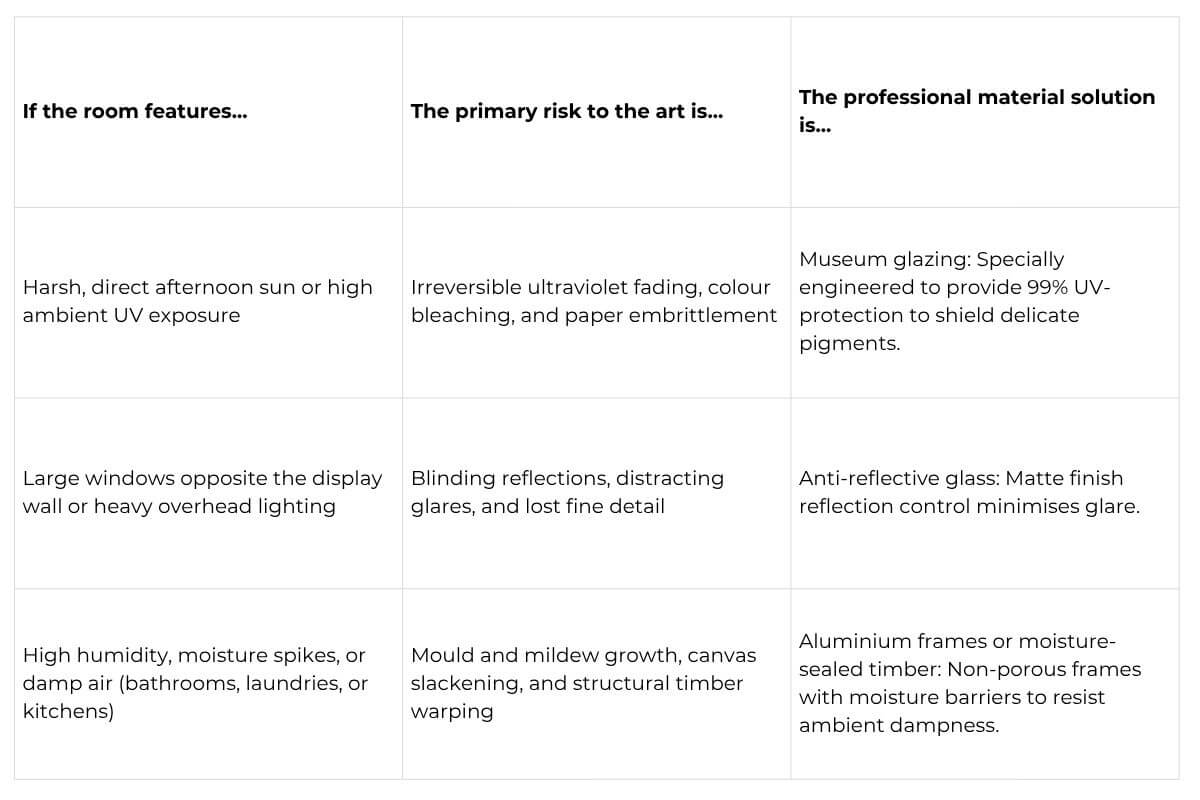
Frame selection isn't purely an aesthetic choice; it is a defensive strategy against environmental damage. The room where your artwork lives dictates the type of materials, timber stability, and glazing required.
Material Selection Based on Room Dynamics
Before settling on a design, evaluate the light levels, moisture, and temperature fluctuations of the room and wall where it will hang. Use the matrix below to guide your material choices:
Matching the Frame Profile to Your Medium
Different art styles and historical mediums require entirely distinct framing designs to look their best.
Minimalist Gallery Look for Black and White Photography
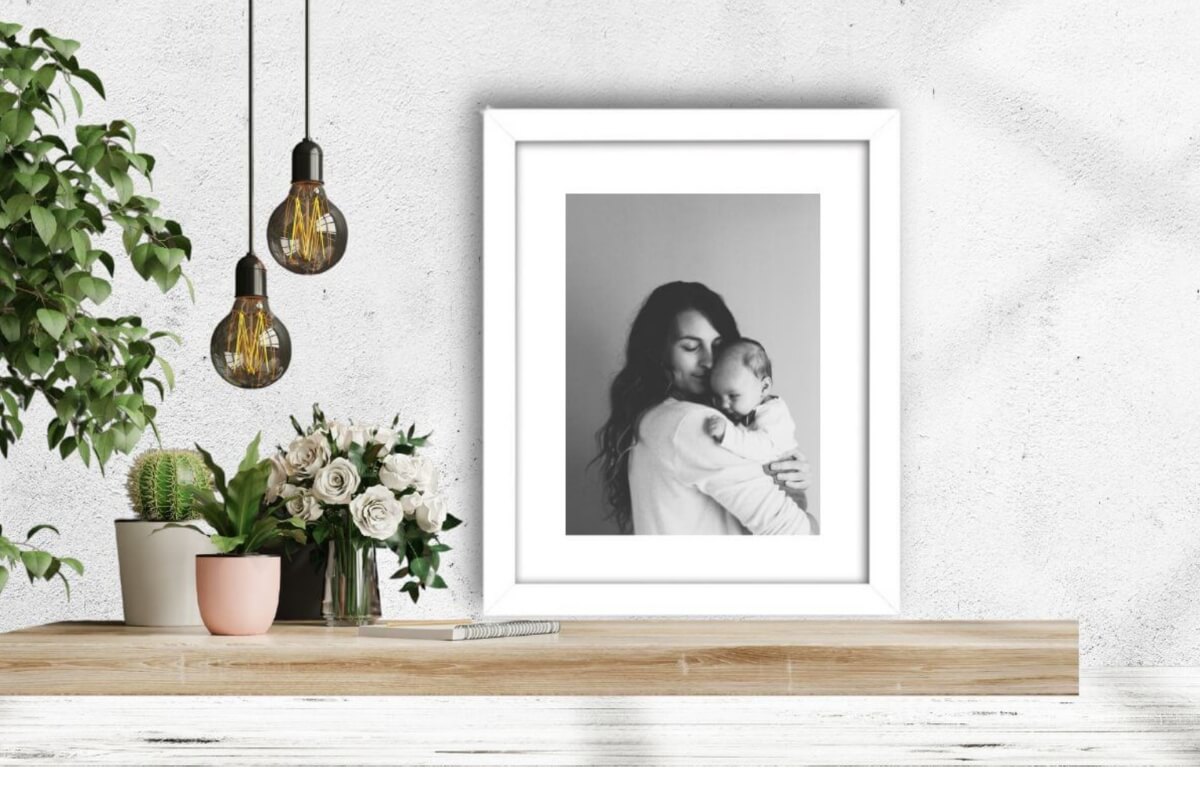
Photography thrives on clean lines and deep focus. For black and white prints, fine-art galleries often rely on narrow, square-edged profiles in satin black, charcoal, or stark white timber. This minimalist frame is paired with an oversized, off-white matboard to maximise the impact of the photograph's tonal range without adding unnecessary ornamentation.
Contemporary Floating Frames for Canvases
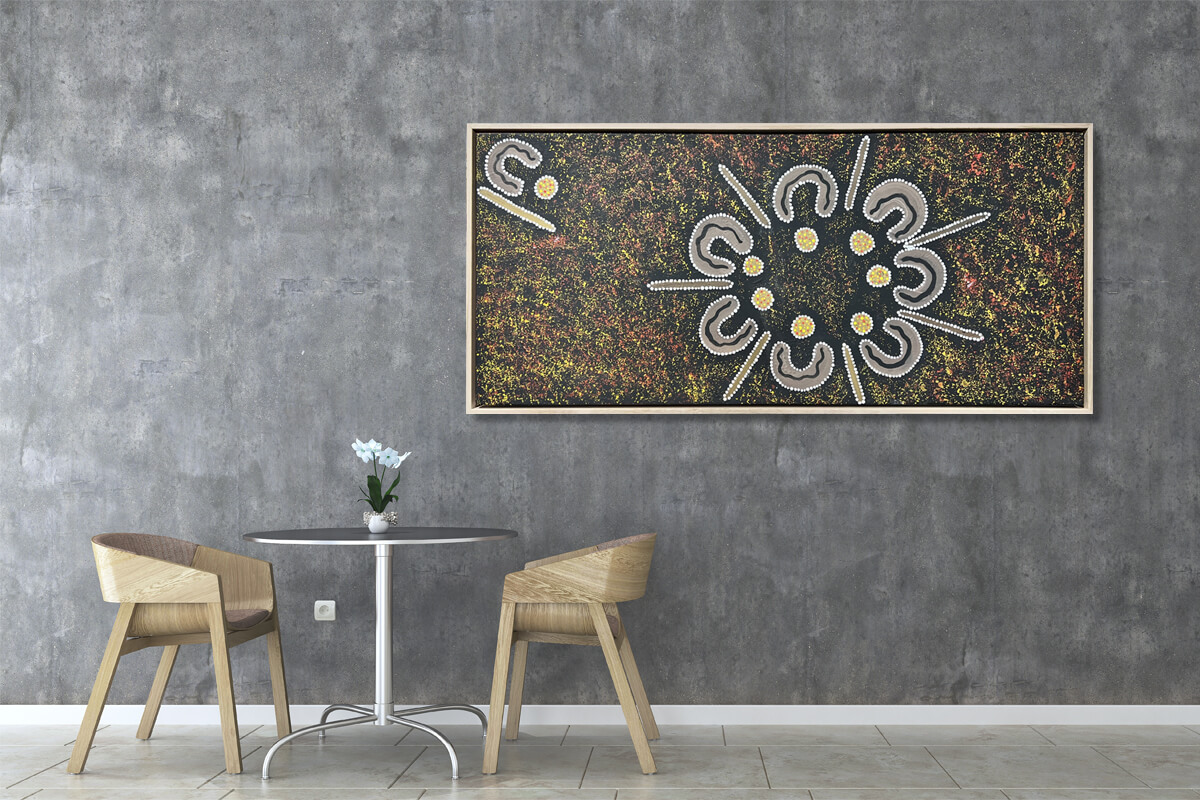
Traditional oil and acrylic canvases are painted on thick textile substrates that should never be compressed behind standard glass. For modern canvases, the premier look is the L-shaped canvas float frame. Instead of overlapping the front of the painting, the canvas is mounted inside a wooden trough, leaving a "shadow gap" around the perimeter. This architectural gap makes the artwork appear to float suspended within the frame, ensuring the raw, textured painted edges remain visible.
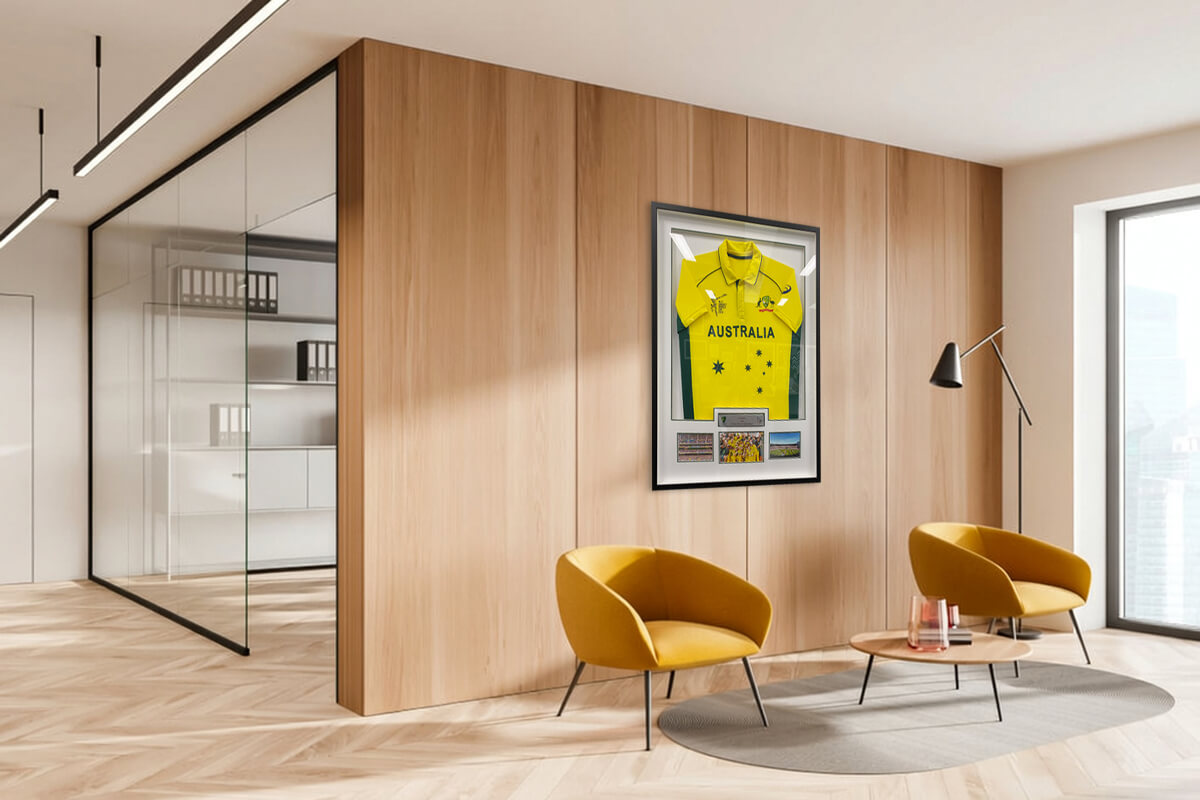
Deep Shadow Box Frames for Heirloom Textiles and Memorabilia
Three-dimensional objects such as sporting jerseys, military medals, vintage christening gowns, or delicate textiles, require depth. A deep shadow-box frame utilises hidden, acid-free spacer walls (or packouts) to lift the glazing away from the object. This structure ensures that fabrics never touch the glass, preventing condensation damage while transforming an object into a striking, three-dimensional sculptural showcase. If you are looking to display delicate silk, linen, or batiks purchased on an international trip, view our expert guide on preserving and framing exotic holiday textiles.
Bring Your Artwork to Life Safely
Stepping away from generic internet guesswork and mass-produced, one-size-fits-all frames is the single best investment you can make for your art or memento collection. By utilising precise mathematical rules like the Golden Ratio, implementing the 1.6x matboard formula, and selecting the correct environmental glazing, you turn a simple wall hanging into an enduring design feature that will remain flawlessly preserved for decades to come.
If you have a new print, an old family heirloom, or a canvas waiting for the perfect frame, the safest path forward is to collaborate directly with an expert framing consultant who understands the scient and art of framing. Head over to our store locator page to find your nearest store and bring your piece in for an obligation-free consultation today.