When preserving a favourite artwork, photograph, or family heirloom, it’s easy to focus entirely on aesthetics. However, traditional picture framing practices can carry a surprisingly heavy environmental footprint, from unsustainable logging to the release of harmful airborne chemicals.
Choosing an eco-friendly frame doesn't mean compromising on design or longevity. This guide breaks down exactly what to look for in sustainable framing materials, backing materials, and finishes so you can make an informed, green choice for your home.
1. Look for Certified Sustainable Timber
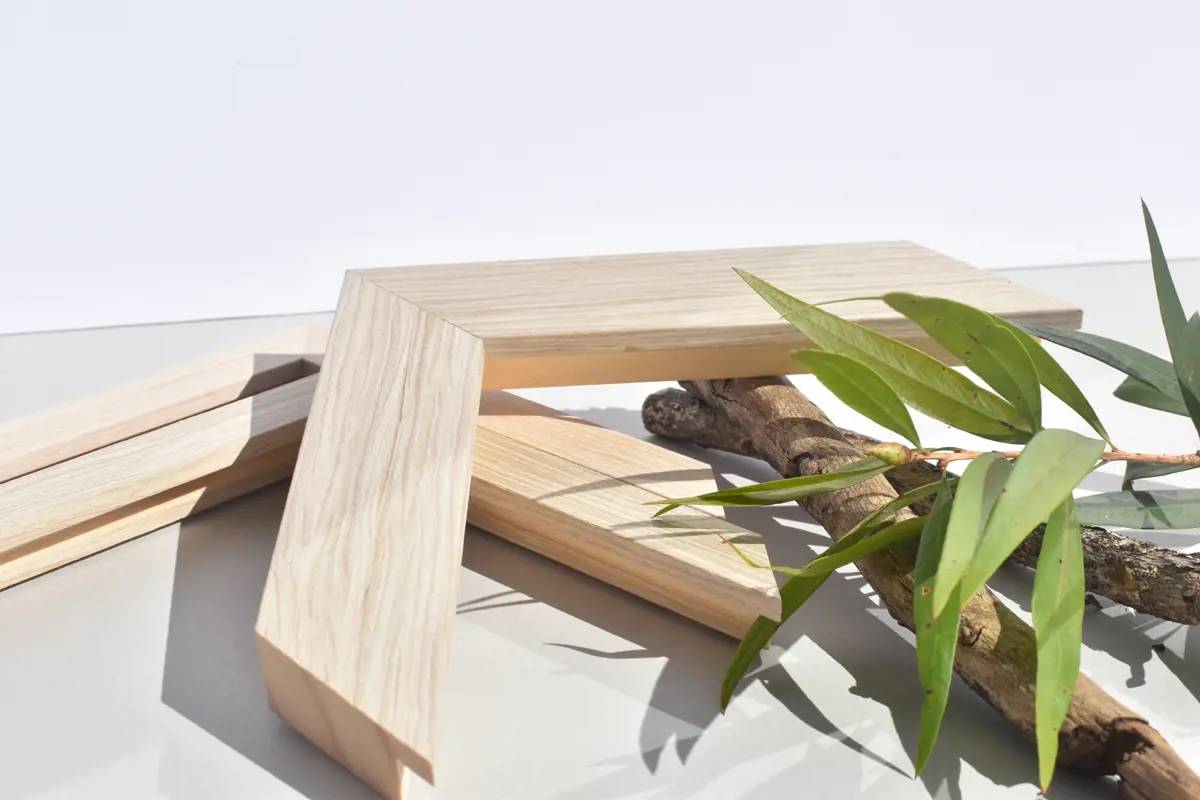
The core of any high-quality frame is the moulding. To ensure your wooden frame isn't contributing to global deforestation, always look for independent environmental certifications:
- FSC Certified (Forest Stewardship Council): This is the gold standard. It guarantees the wood was harvested from responsibly managed forests that provide environmental, social, and economic benefits.
- PEFC Certified (Programme for the Endorsement of Forest Certification): A trusted global alliance that ensures timber comes from sustainably managed forests with strict biodiversity protections.
- Reclaimed or Upcycled Wood: Frames made from old barns, shipping pallets, or structural timber give a second life to existing resources and offer a unique, rustic character.
2. Check the Finishes (Water vs. Solvent Based Paints)
What goes on the frame matters just as much as what's underneath it. Traditional frame manufacturing relies heavily on solvent-based lacquers and paints. As these finishes dry, they release Volatile Organic Compounds (VOCs) into the atmosphere, contributing to air pollution and reducing indoor air quality.
Industry Milestone: The framing industry is shifting. High-quality eco-friendly collections such as our Italian Classics range are now utilising advanced water-based and hybrid paint technologies. These innovative finishes achieve a 75% reduction in VOC emissions compared to traditional solvents. Scaled across production, this simple switch saves up to 18,000 kg of harmful emissions from entering our atmosphere every single year, without sacrificing the rich, durable finish required for fine art.
Learn more about what type of picture framing wood we use.
When considering your custom framing options, ask your framer if their collections utilise low-VOC, water-based finishes or natural waxes.
3. Don't Overlook What's Inside the Frame

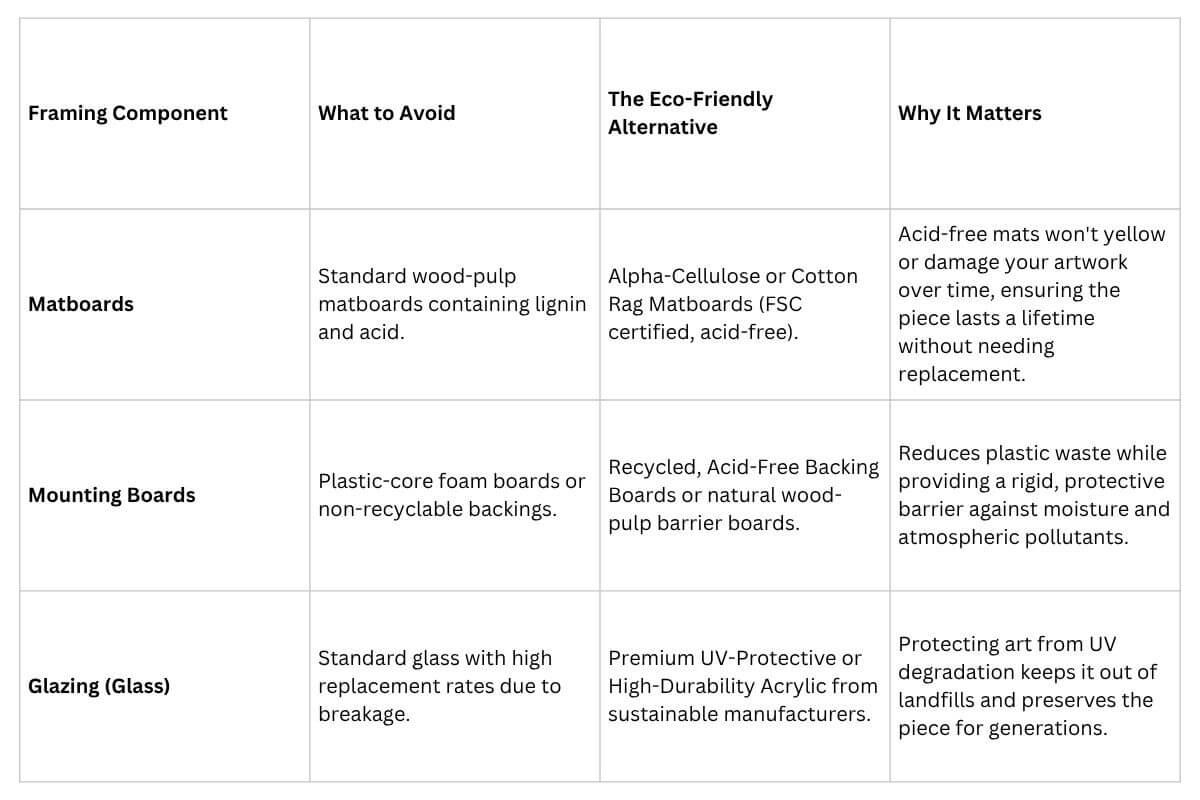
True eco-friendly custom framing goes beyond the exterior visual elements. To protect both your art and the planet, the internal components should meet strict sustainability criteria:
Why Local Production Matters for Our Carbon Footprints
Shipping heavy glass and timber framing materials across the globe creates massive supply chain emissions. Opting for a picture framer that sources materials responsibly and custom frames locally, drastically reduces the total carbon footprint of your framing project.
By combining certified timber, advanced low-VOC water-based paints, and acid-free archival internals, you can display your memories beautifully while supporting a circular, green economy.
Visit your nearest Frame Today store for sustainable local framing.